

SEL Tip: Black History: Teaching Truth in a Time of Erasure
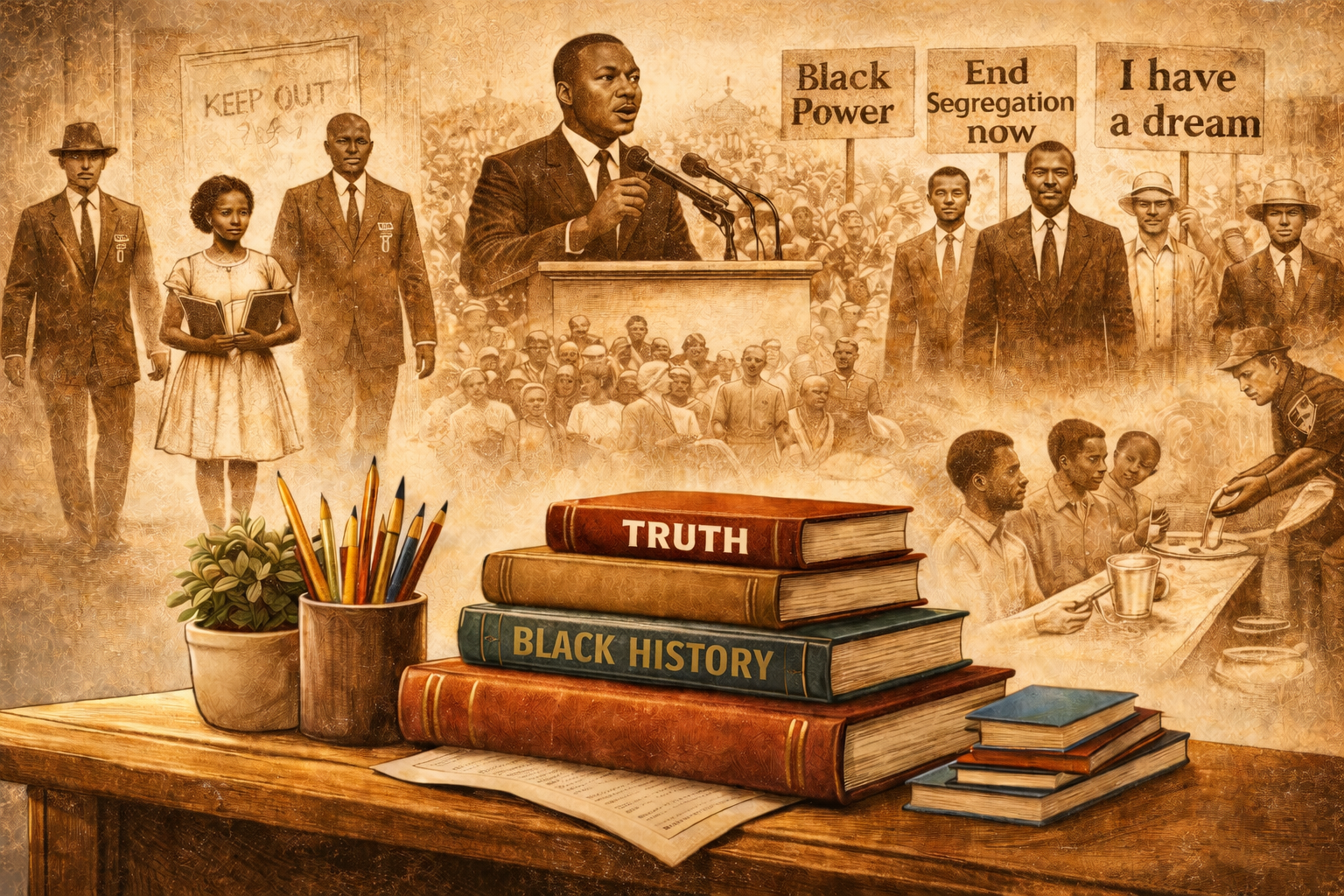
Black History is not a sidebar. It is not an elective chapter. It is not a seasonal feature. Black History is American history — and in a time when Erasure threatens memory, dignity, and truth, classrooms become sacred spaces of responsibility.
Teaching Truth is not simply about delivering facts. It is about protecting stories that shape identity. It is about refusing to allow Erasure — whether subtle or overt — to redefine what students are allowed to know about themselves and their country. When we teach Black History honestly, we affirm that the past matters, that lived experiences matter, and that truth matters.
Black History Month may draw attention to these conversations, but Teaching Truth cannot be confined to the shortest month of the year. Erasure does not operate on a calendar — and neither should education. Students encounter narratives about race, fairness, and belonging every day. Our role is to ensure those narratives are grounded in truth rather than silence.
Here’s how you can bring this work into your classroom with clarity and care.
Facilitate a Read Aloud: Stamped (For Kids) by Jason Reynolds & Ibram X. Kendi
Stamped (For Kids) offers a clear, accessible exploration of how racist ideas were created, spread, and sustained throughout history—and how they continue to shape society today. Written in a voice that speaks directly to young readers, the book invites students to think critically about the stories they’ve been told and the systems they live within.
Rather than presenting history as distant and disconnected, Stamped shows how the past influences the present. It emphasizes that understanding history is not about blame—it’s about awareness, responsibility, and growth.
How to Use It:
Read-Aloud Setup:
Before reading, ask students:
-
“Why do you think it’s important to know the full truth about history?”
-
“What happens when parts of history are left out?”
Set expectations for respectful listening and thoughtful reflection.
Discussion:
After reading selected excerpts, explore questions such as:
-
“How have ideas about race changed over time?”
-
“Why do you think some stories are emphasized while others are minimized?”
-
“How does understanding history help us make better choices today?”
These discussions encourage critical thinking while grounding students in empathy and accountability.
Connection to SEL Goals:
Highlight social awareness and responsible decision-making. Help students recognize that understanding injustice builds empathy and that empathy shapes how we treat one another. Reinforce that truth-telling is a foundation for belonging.
Create Personalized “Truth & Belonging Commitments”
Invite students to reflect on how they can contribute to a classroom where history is honored and every student feels valued.
Examples include:
-
Social Awareness: “I will listen carefully when others share their experiences.”
-
Courage: “If I hear something unfair, I will speak up respectfully.”
-
Empathy: “I will try to understand perspectives different from my own.”
-
Belonging: “I will help create a classroom where everyone’s story matters.”
Students can write their commitments on cards or posters and display them as part of a “Truth Builds Belonging” board—reminding the class that inclusion requires action.
Reflect and Continue the Work
Make it clear that these conversations do not end when the calendar changes.
Consider incorporating:
-
Weekly Reflection Prompts: “What is one new perspective you learned this week?”
-
Discussion Circles: “How does learning history change how we see each other?”
-
Current Connections: Age-appropriate conversations about how historical ideas continue to influence present-day events.
Reflection reinforces that history is not frozen in the past—it shapes the world students are growing up in.
Promoting Awareness and Resilience
Teaching truth builds resilience. When students understand history honestly, they develop the ability to think critically, respond thoughtfully, and stand confidently in their identities.
Belonging is not created by avoiding difficult conversations—it is created by engaging them with respect and care. When students see that their histories and identities are acknowledged, they feel grounded. And when they understand others’ stories, they grow in empathy.
This is not February work. This is daily work.
In Conclusion
Black History does not begin on February 1st, and it does not end when the month turns. Teaching Truth in a time of Erasure means committing to honest education year-round. It means ensuring students understand the full story — not a filtered one.
When we resist Erasure through Teaching Truth, we do more than preserve history. We build empathy. We strengthen belonging. We equip students with the emotional tools to navigate complexity with courage.
Black History is not disappearing.
Truth is not optional.
And education remains one of the most powerful tools we have.
✊
If you found this content helpful, you might enjoy this Imagineerz blog post:
Holding History, Making Space — SEL for Belonging in the New Year