

SEL Read Aloud: Stamped (For Kids): Racism, Antiracism, and You
Summary
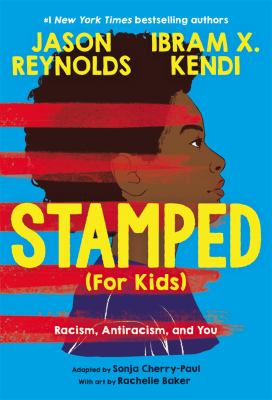
Stamped (For Kids): Racism, Antiracism, and You by Jason Reynolds and Ibram X. Kendi is an accessible, engaging exploration of how racist ideas developed, spread, and evolved throughout American history. Adapted specifically for younger readers, the book walks students through key moments, figures, and systems that shaped conversations around race — while empowering them to think critically about the present.
With its clear language and historical storytelling, the book encourages children to reflect on identity, justice, perspective, and responsibility — powerful themes that directly tie into SEL. It provides students with the tools to recognize unfair systems, understand how ideas influence behavior, and consider how they can help build a more equitable future.
(Sources: imagineerz-learning.com + penguinrandomhouse.com + teachingbooks.net)
Comprehension Questions
To guide students through the story’s meaning and encourage deeper thinking, consider these Bloom’s Taxonomy-inspired questions:
-
Remembering: What are some examples of racist or antiracist ideas discussed in the book?
-
Understanding: How does the book explain the difference between racist and antiracist ideas?
-
Applying: Can you think of a time when you noticed something unfair? What made it unfair?
-
Analyzing: How have historical ideas about race influenced laws or systems over time?
-
Evaluating: Why is it important to question ideas we’ve been taught?
-
Creating: Write a sentence or draw a visual that represents what “antiracism” means to you.
CASEL Discussion Questions
Use these prompts to connect the story to SEL competencies, especially Self-Awareness, Social Awareness, and Responsible Decision-Making:
-
Self-Awareness: How did reading about this history make you feel?
-
Social Awareness: Why is it important to understand how racism has shaped society?
-
Empathy: How might people be affected by unfair systems or stereotypes?
-
Relationship Skills: How can we have respectful conversations about difficult topics like race?
-
Responsible Decision-Making: What does it look like to choose actions that promote fairness and equity?
Hands-On Challenge
Design an “Antiracist Action Map” Project
Help students turn the book’s message into reflection with a creative activity:
-
Understand – Review key ideas from the book about racist vs. antiracist thinking. Discuss how ideas influence systems and behaviors.
-
Ideate – Ask: “What are ways we can make our classroom or community more fair and inclusive?”
-
Prototype – Provide students with chart paper to create an “Action Map.” Students write or draw steps they can take to promote kindness, equity, and inclusion.
-
Test & Present – Display the maps on a board titled “Ideas Shape the Future.” Invite students to explain one action step they included.
-
Reflect – Invite students to write or share: “How can small actions help create bigger change?”
In Conclusion
Stamped (For Kids) helps students understand that ideas have power — and that history shapes the world we live in today. It reminds us that fairness doesn’t happen by accident; it requires awareness, courage, and intentional action.
When students engage with books like this, they begin to recognize their own role in shaping a more just and inclusive community. This read-aloud opens the door to meaningful conversations about identity, equity, and responsibility — and empowers young readers to think critically about the world around them.
Read Aloud
If you appreciated getting to read this book with your class, you might also want to share this book with them!
Additional Resources
Copyright Notice
The image on this page comes from the book Stamped (For Kids): Racism, Antiracism, and You by Jason Reynolds and Ibram X. Kendi