
SEL Tip: Holding History, Making Space – Building Belonging in the New Year
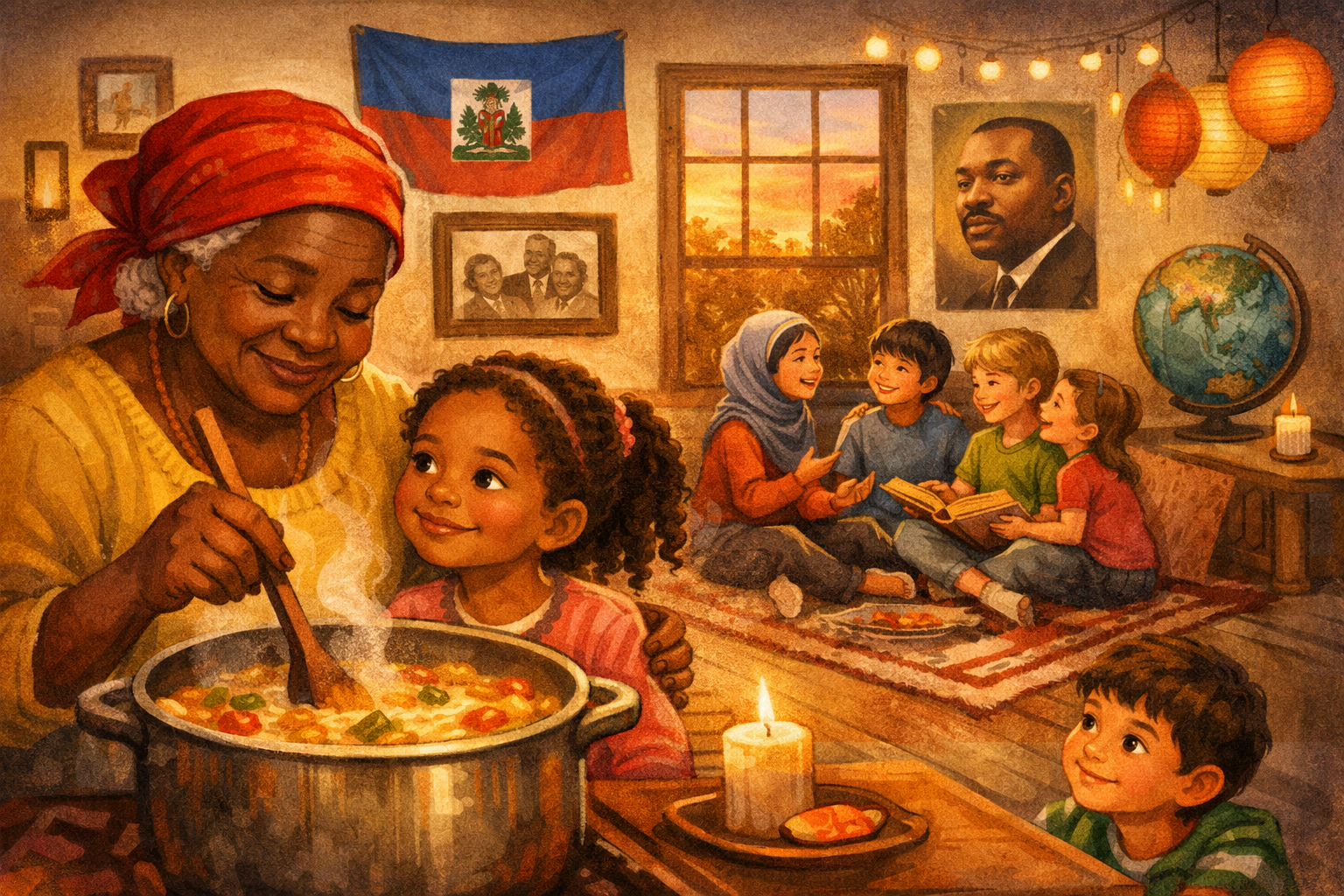
The start of a new year is often framed as a fresh beginning—a chance to reset goals, routines, and expectations. But for many students, the new year doesn’t mean starting from scratch. They arrive carrying stories, traditions, identities, and histories shaped by family, culture, and lived experience. In times marked by social uncertainty and racial tension, students need more than surface-level inclusion—they need spaces where they truly feel they belong.
By centering social-emotional learning (SEL) around belonging, educators can help students enter the new year feeling seen, valued, and connected. When classrooms make room for students’ histories rather than asking them to leave those stories at the door, they become places of trust, resilience, and shared humanity.
Here’s how you can bring this theme to life in your classroom.
Facilitate a Read Aloud: Freedom Soup by Tami Charles
Freedom Soup by Tami Charles tells the story of a young girl and her grandmother preparing soup together while reflecting on family history, tradition, and the meaning of freedom. Through the warmth of shared food and storytelling, the book shows how culture and memory help people stay grounded—even after loss, displacement, or change.
This story offers a powerful entry point for conversations about identity, belonging, and the importance of honoring where we come from.
How to Use It
Read-Aloud Setup
Before reading, invite students to think about a tradition or food that feels important in their family or culture. Ask questions like:
-
“Is there something your family does together that makes you feel connected?”
-
“How do traditions help us remember where we come from?”
As you read, pause during moments that highlight memory, history, or connection and ask:
-
“What is this character learning about her family?”
-
“How does cooking together help them feel close?”
Discussion
After the story, guide students with questions such as:
-
“Why was it important for the grandmother to share this story?”
-
“How do our family stories help us feel like we belong?”
-
“What’s the difference between being included and truly feeling like you belong?”
Encourage students to listen closely to one another’s responses, reinforcing that everyone’s experiences and traditions are worthy of respect.
Connection to SEL Goals
Use the story to reinforce:
-
Self-Awareness: Understanding one’s own identity and history
-
Social Awareness: Respecting and valuing others’ experiences
-
Relationship Skills: Building empathy through listening and sharing
Emphasize that belonging grows when we make space for each other’s stories—not when we ask people to set them aside.
Create Personalized “Belonging Commitments”
Invite students to reflect on how they can help make the classroom a place where everyone feels valued in the new year. Have them create a simple “Belonging Commitment,” such as:
-
Empathy: “I will listen when someone shares something important about their family or culture.”
-
Respect: “I will honor traditions that are different from my own.”
-
Connection: “I will invite others to share their stories.”
-
Responsibility: “I will speak up if someone is being left out.”
Students can write or illustrate their commitments and display them together as a class reminder that belonging is something we build collectively.
Reflect and Build Community
Revisit these commitments throughout the year with gentle reflection opportunities:
-
Community Circles: Invite students to share moments when they felt connected or supported.
-
Journaling: Ask students to write about a time they learned something new about a classmate.
-
Class Check-Ins: Reflect on how the classroom feels and what helps people feel safe and valued.
These moments help students see that belonging isn’t a one-time lesson—it’s an ongoing practice.
Promoting Belonging in Uncertain Times
In a world where many students are hearing difficult messages about race, identity, and who belongs, SEL offers something essential: space to be human together. By honoring history, culture, and lived experience, educators help students build resilience rooted in understanding and connection. Belonging doesn’t require sameness—it requires care, curiosity, and courage.
In Conclusion
The new year doesn’t erase the past—but it does offer an opportunity to build something meaningful together. Freedom Soup reminds us that history, tradition, and shared stories can be sources of strength. By helping students hold their histories while making space for others, you create a classroom where belonging isn’t just encouraged—it’s lived.
If you found this content helpful, you might enjoy this Imagineerz blog post:SEL Tip: Navigating Cultural Sensitivities During Holidays