
STEM Challenge: Build an Animal to Protect the Environment
Challenge
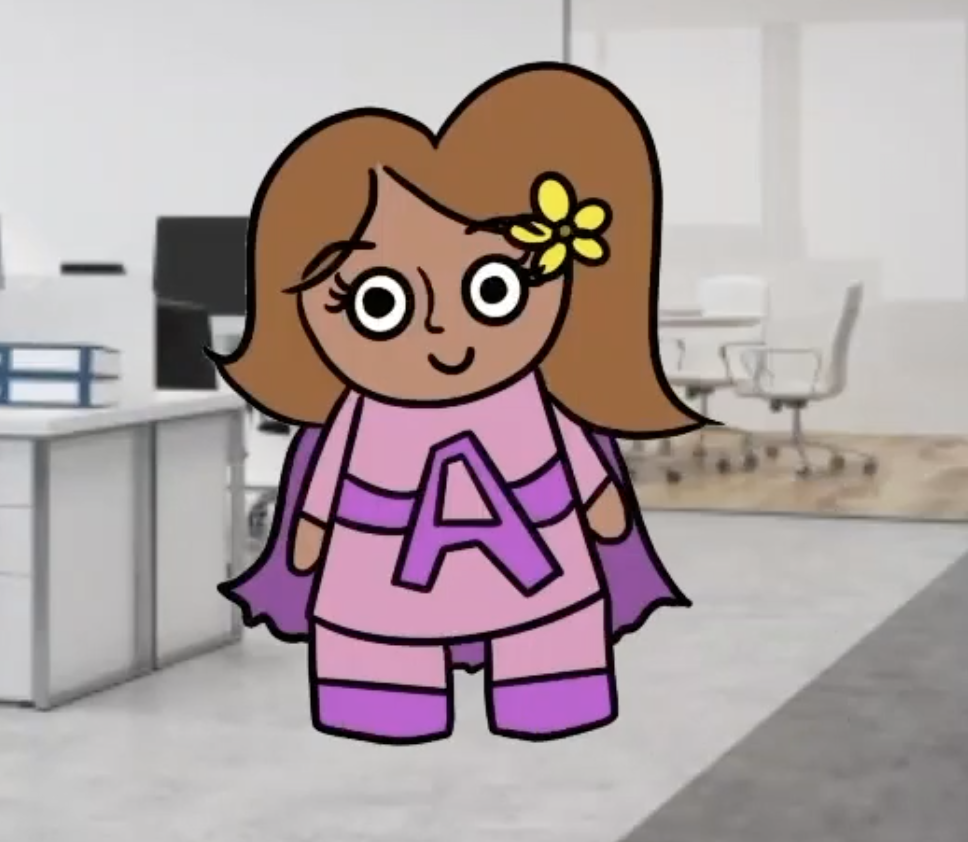
Build an animal sidekick for Madame Amazonia, a superhero who can speak with animals and teams up with them to protect the environment. These animal sidekicks must be strong, stable, and able to stand on their own so they can accompany her on environmental rescue missions.
Students will design and construct an animal with legs that allow it to balance independently, encouraging thoughtful engineering, creativity, and problem-solving.
Constraints and Success Criteria
-
The animal must have legs and be able to stand on its own without support.
-
No legless animals are allowed (no snakes, snails, worms, or baby sharks).
-
The design should clearly resemble an animal and function as a sidekick that could assist Madame Amazonia on her missions.
-
The structure must be sturdy enough to remain upright when placed on a flat surface.
Materials

Logistics
-
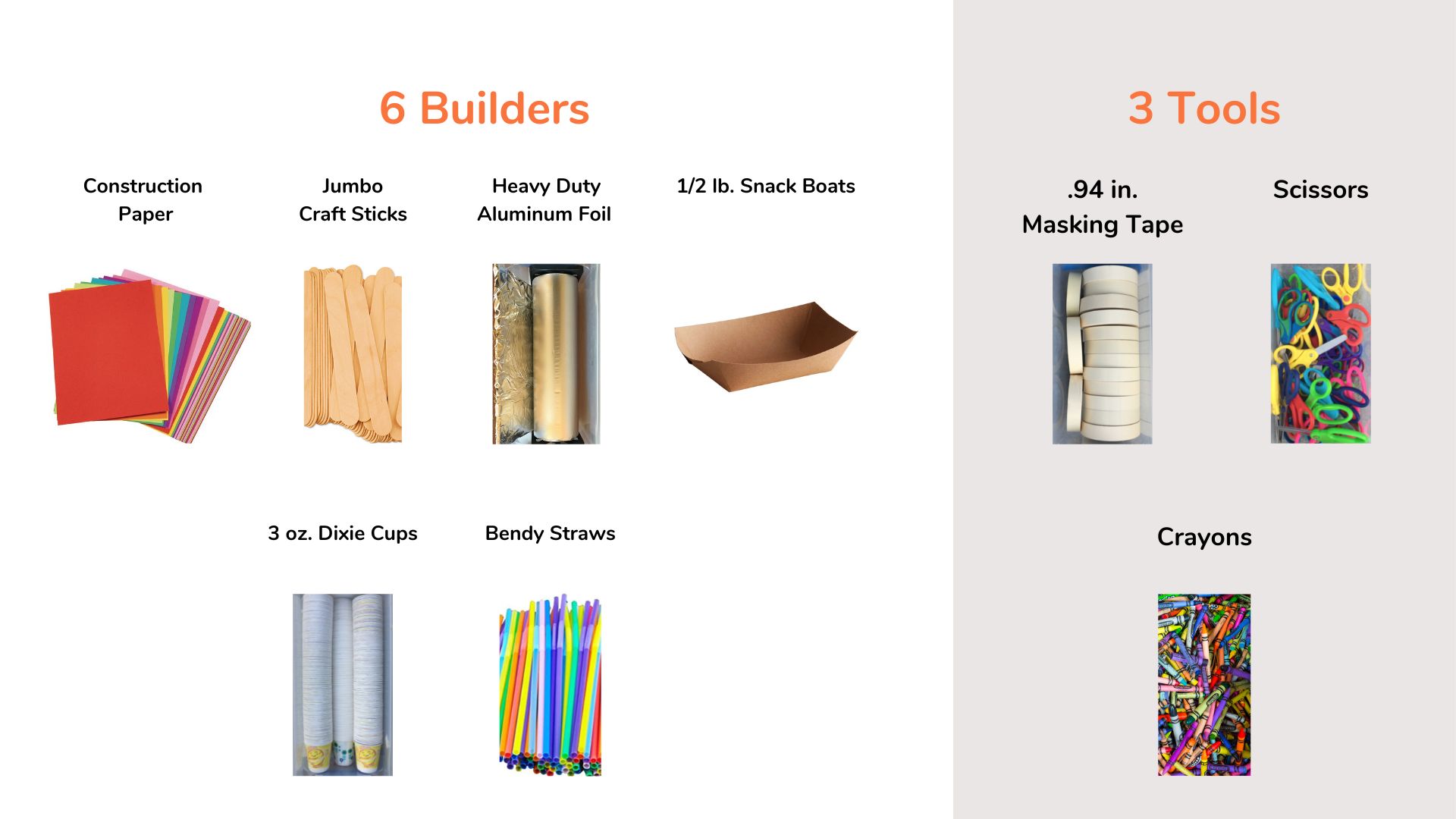
Prepare Materials: Ensure all materials are ready and organized before students begin. Students should follow material limits as needed to encourage creativity and thoughtful planning.
-
Set Up Testing Area: Create a designated space where students can test whether their animal sidekicks can stand independently without assistance.
-
Provide Guidelines and Constraints: Clearly review the challenge and constraints. Emphasize that animals must have legs and must be able to stand on their own.
-
Model the Design Process: Before students begin, walk through the design process—brainstorming animal ideas, planning leg structures, building, testing, and making improvements based on results.
-
Encourage Collaboration: Students should work in pairs, sharing ideas and helping one another problem-solve structural challenges. No groups of three.
-
Support Adaptation: Encourage students to see instability or collapse as part of the learning process. Guide them to redesign leg placement, balance, or body structure as needed.
-
Facilitate Reflection: Provide time for students to reflect on their designs, discussing what worked, what didn’t, and how they adapted their ideas. Reflection can be done individually, in pairs, or as a whole group.
-
Celebrate and Showcase: Allow students to present their animal sidekicks, explain their design choices, and share how their animal would help Madame Amazonia protect the environment.
CASEL Discussion Questions
Five questions aligned to Responsible Decision Making — our focus CASEL competency — to support engaging discussion and reflection.
-
How did you decide which animal to build for Madame Amazonia, and why do you think it would be a good sidekick for helping the environment?
-
What challenges did you face when trying to make your animal stand on its own, and how did you solve them?
-
How did testing your design help you make better decisions about how to improve your animal?
-
Why do you think having clear rules (like only animals with legs) is important when solving a problem?
-
How could working with animals help Madame Amazonia make responsible decisions to protect the planet?